
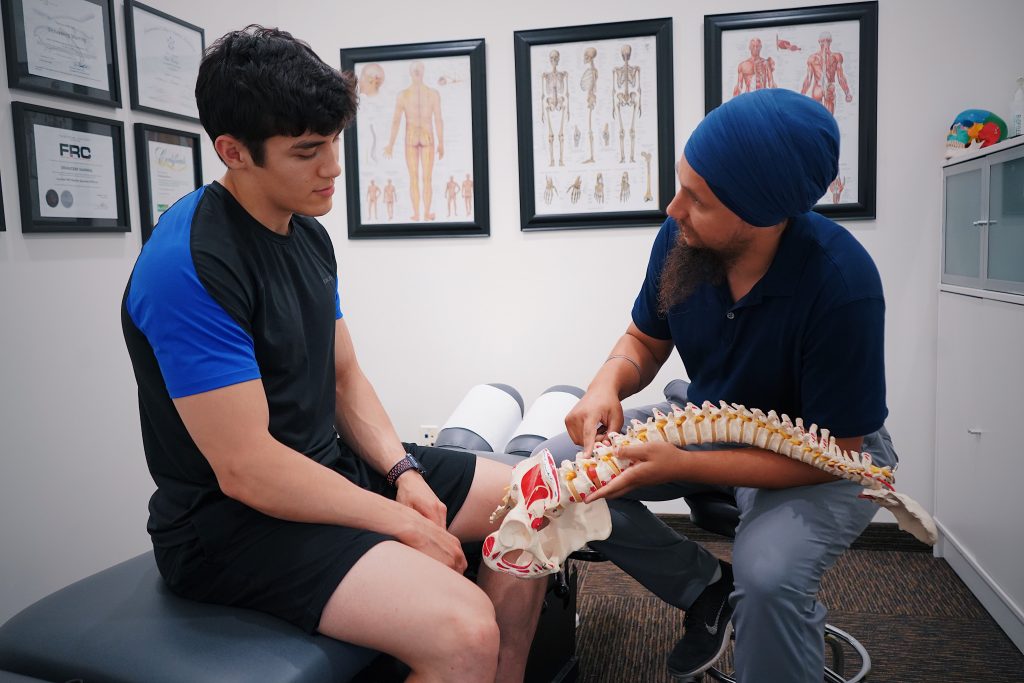
Spinal Trauma
What Is Spinal Trauma?
Spinal trauma refers to injuries affecting the spinal column, spinal cord, or surrounding structures. These injuries may result from motor vehicle accidents, falls, sports injuries, workplace accidents, or violence.
Prompt medical assessment is essential to minimise the risk of permanent neurological damage.
Common Symptoms
Symptoms may include:
- Severe neck or back pain
- Weakness in the limbs
- Numbness or loss of sensation
- Difficulty walking
- Loss of coordination
- Bladder or bowel dysfunction
When Should Medical Review Be Considered?
Immediate medical attention should be sought following any significant spinal injury, particularly when symptoms involve:
- Severe pain
- Weakness
- Numbness
- Paralysis
- Loss of bladder or bowel control
Available Treatment Options
Treatment depends on the nature and severity of the injury.
Non-Surgical Treatment
- Immobilisation
- Bracing
- Rehabilitation
- Physiotherapy
Surgical Treatment
Surgery may be necessary to:
- Stabilise fractures
- Relieve pressure on the spinal cord
- Correct deformity
- Restore spinal stability
Frequently Asked Questions
Is every spinal injury serious?
All significant spinal injuries should be assessed promptly by a medical professional.
Can spinal trauma cause permanent disability?
Severe injuries may result in long-term neurological impairment.
How is spinal trauma diagnosed?
Diagnosis often involves clinical examination, CT scans, MRI scans, and X-rays.
How long does recovery take?
Recovery varies considerably depending on injury severity.
Is rehabilitation important?
Yes. Rehabilitation plays a vital role in maximising recovery and function.