Brain Tumours
What Are Brain Tumours?
A brain tumour is an abnormal growth of cells within the brain or surrounding tissues. Brain tumours may be benign (non-cancerous) or malignant (cancerous). They can arise from the brain itself or spread from cancer elsewhere in the body.
The effects of a brain tumour depend on its size, location, and rate of growth.
Common Symptoms
Symptoms may include:
- Persistent headaches
- Seizures
- Nausea and vomiting
- Changes in vision
- Difficulty with speech
- Weakness or numbness
- Problems with balance and coordination
- Memory or personality changes
When Should Medical Review Be Considered?
Medical assessment is recommended if:
- Headaches become persistent or progressively worse
- New seizures occur
- Vision changes develop
- Weakness or numbness appears
- Cognitive or behavioural changes are noticed
Available Treatment Options
Observation
Some small, slow-growing tumours may be monitored with regular imaging.
Surgical Treatment
Surgery may be performed to:
- Confirm diagnosis
- Remove the tumour
- Relieve pressure on the brain
Additional Treatments
- Radiotherapy
- Chemotherapy
- Targeted therapies
- Ongoing monitoring
Frequently Asked Questions
Are all brain tumours cancerous?
No. Many brain tumours are benign.
Can brain tumours be cured?
Treatment outcomes depend on tumour type, location, and individual circumstances.
How are brain tumours diagnosed?
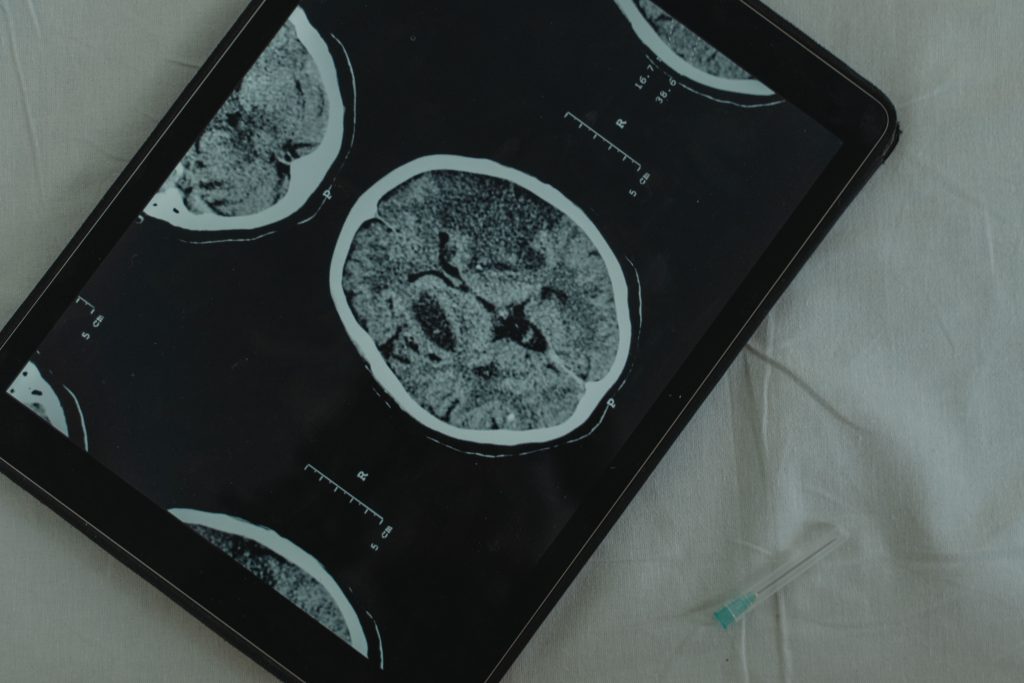
Diagnosis typically involves MRI scanning and specialist assessment.
Is surgery always required?
Not always. Some tumours can be safely monitored.
What symptoms should never be ignored?
New seizures, progressive weakness, severe headaches, and sudden neurological changes require urgent evaluation.