Referring Doctors' Corner

Neurosurgical Red Flags

These presentations warrant urgent neurosurgical referral or emergency department attendance.

Cauda equina syndrome

Bilateral leg weakness, saddle anaesthesia, bladder/bowel dysfunction

Rapidly progressive neurological deficit

Progressive limb weakness over hours to days

Symptoms following trauma

Neurological deficit after head or spinal injury

Signs of raised intracranial pressure

Headache, vomiting, papilloedema, decreased consciousness

New seizures with focal neurological signs

May indicate intracranial mass lesion

Spinal cord compression

Myelopathy, bilateral signs, sensory level

When to Request MRI vs CT

Quick reference guide for appropriate imaging in common clinical scenarios.

Back pain with red flags

MRI lumbar spine (urgent)


CT if MRI unavailable

Sciatica > 6 weeks

MRI lumbar spine


Include sagittal and axial T2

Head injury with neurological deficit

CT brain (urgent)


Non-contrast CT initially

Suspected brain tumour

MRI brain with contrast


Include T1, T2, FLAIR, post-gadolinium

Cervical myelopathy

MRI cervical spine


Include sagittal and axial sequences

Hydrocephalus

CT brain or MRI


CT for acute, MRI for chronic assessment

Referral Pathway

How to refer a patient to Dr Dzowa’s neurosurgical practice

Clinical Assessment

Complete clinical evaluation and relevant investigations. Include any imaging already performed.

Contact the Practice

Call +263 77 230 0337 or WhatsApp for routine referrals. For emergencies, call directly.

Provide Documentation

Send a referral letter with clinical history, examination findings, investigation results, and imaging.

Appointment Scheduled

The patient will be contacted with an appointment date. Emergency cases are seen on the same day.

Educational Content for Practitioners

Evidence-based referral guidelines, imaging protocols, and emergency contact information for GPs and specialists.

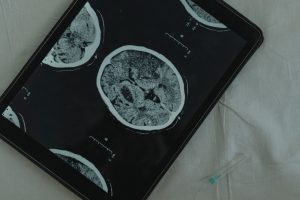
Close-up view of a brain CT scan displayed on a digital tablet with a medical needle beside it.

Brain Tumours

Brain Tumours What Are Brain Tumours? A brain tumour is an abnormal growth of cells within the brain or surrounding tissues. Brain tumours may be benign (non-cancerous) or malignant (cancerous). They can arise from the brain itself or spread from cancer elsewhere in the body. The effects of a brain tumour depend on
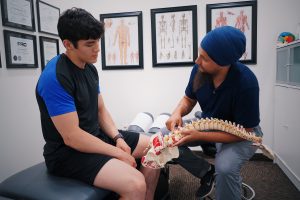
A doctor explains spinal issues to a patient using a spine model during a medical consultation.

Spinal Trauma

Spinal Trauma What Is Spinal Trauma? Spinal trauma refers to injuries affecting the spinal column, spinal cord, or surrounding structures. These injuries may result from motor vehicle accidents, falls, sports injuries, workplace accidents, or violence. Prompt medical assessment is essential to minimise the risk of permanent neurological damage. Common Symptoms Symptoms may include:
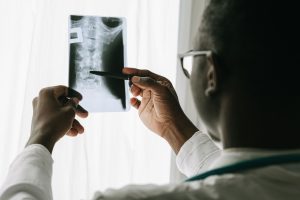
Close-up of a doctor examining a spine X-ray film with a pen in a hospital setting.

Degenerative Spine Disease

Degenerative Spine Disease What Is Degenerative Spine Disease? Degenerative spine disease refers to age-related wear and tear affecting the spinal discs, joints, ligaments, and vertebrae. These changes may result in pain, stiffness, and nerve compression. Although commonly associated with ageing, symptoms vary considerably between individuals. Common Symptoms Symptoms may include: When Should Medical