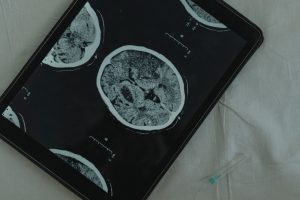
Brain Tumours
Brain Tumours What Are Brain Tumours? A brain tumour is an abnormal growth of cells within the brain or surrounding tissues. Brain tumours may be benign (non-cancerous) or malignant (cancerous). They can arise from the brain itself or spread from cancer elsewhere in the body. The effects of a brain tumour depend on its size, location, and rate of growth. Common Symptoms Symptoms may include: When Should Medical Review Be Considered? Medical assessment is recommended if: Available Treatment Options Observation Some small, slow-growing tumours may be monitored with regular imaging.
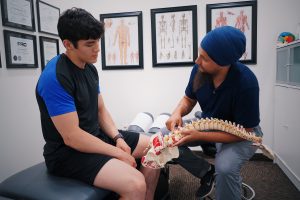
Spinal Trauma
Spinal Trauma What Is Spinal Trauma? Spinal trauma refers to injuries affecting the spinal column, spinal cord, or surrounding structures. These injuries may result from motor vehicle accidents, falls, sports injuries, workplace accidents, or violence. Prompt medical assessment is essential to minimise the risk of permanent neurological damage. Common Symptoms Symptoms may include: When Should Medical Review Be Considered? Immediate medical attention should be sought following any significant spinal injury, particularly when symptoms involve: Available Treatment Options Treatment depends on the nature and severity of the injury. Non-Surgical Treatment Surgical
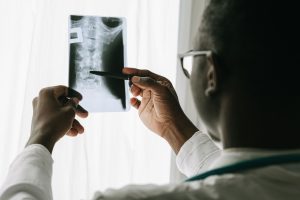
Degenerative Spine Disease
Degenerative Spine Disease What Is Degenerative Spine Disease? Degenerative spine disease refers to age-related wear and tear affecting the spinal discs, joints, ligaments, and vertebrae. These changes may result in pain, stiffness, and nerve compression. Although commonly associated with ageing, symptoms vary considerably between individuals. Common Symptoms Symptoms may include: When Should Medical Review Be Considered? Medical evaluation is recommended if: Available Treatment Options Non-Surgical Treatment Surgical Treatment Surgery may be considered if significant nerve compression or spinal instability develops. Possible procedures include: Frequently Asked Questions Is degenerative spine disease
Spinal Stenosis
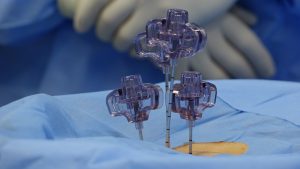
Spinal Stenosis What Is Spinal Stenosis? Spinal stenosis is a condition in which the spaces within the spinal canal become narrowed, placing pressure on the spinal cord or nerves. It most commonly occurs in the neck (cervical spine) or lower back (lumbar spine) and is often associated with ageing and degenerative changes in the spine. Common Symptoms Symptoms may include: When Should Medical Review Be Considered? Medical assessment is recommended if: Available Treatment Options Non-Surgical Treatment Surgical Treatment When symptoms become severe or neurological function is affected, surgery may be
Lumbar Disc Prolapse and Sciatica
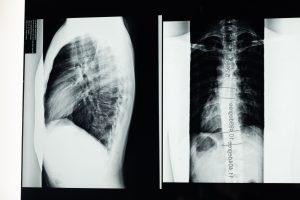
Lumbar Disc Prolapse and Sciatica What Is Lumbar Disc Prolapse and Sciatica? The lumbar spine consists of five vertebrae located in the lower back. Between these vertebrae are intervertebral discs that act as cushions and shock absorbers. A lumbar disc prolapse, sometimes referred to as a slipped or herniated disc, occurs when the soft inner portion of a disc pushes through its outer layer. When the protruding disc presses on nearby nerve roots, particularly the sciatic nerve, it can cause a condition known as sciatica. Sciatica refers to pain that
Pituitary Tumours
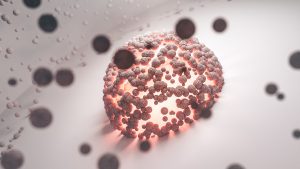
Pituitary Tumours What Are Pituitary Tumours? Pituitary tumours are abnormal growths that develop within the pituitary gland, a small gland located at the base of the brain. The pituitary gland regulates many important hormones responsible for growth, metabolism, and reproduction. Most pituitary tumours are benign and slow-growing. Common Symptoms Symptoms may include: When Should Medical Review Be Considered? Medical review is recommended if: Available Treatment Options Observation Small tumours without symptoms may be monitored. Medication Some hormone-producing tumours respond well to medical therapy. Surgery Surgical removal may be recommended when: