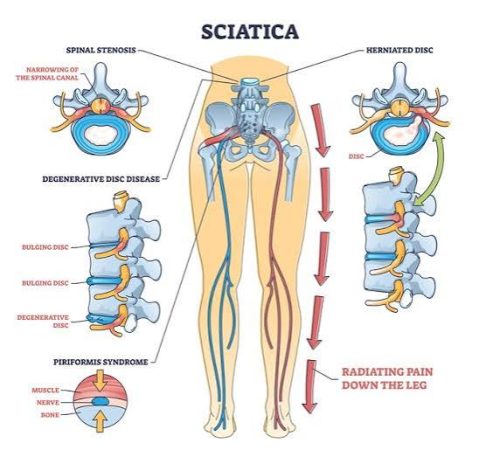
A lumbar disc prolapse occurs when the soft centre of a spinal disc pushes through its outer ring, often pressing on nearby
Spinal Stenosis
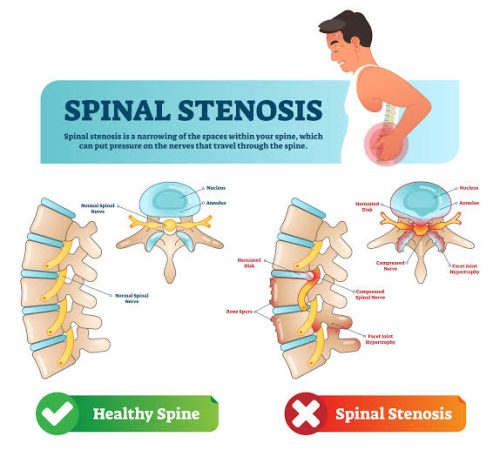
Spinal stenosis is a narrowing of the spinal canal that puts pressure on the spinal cord and nerves. It is most common in the lumbar and cervical spine and typically develops gradually over time.
Degenerative Spine Disease
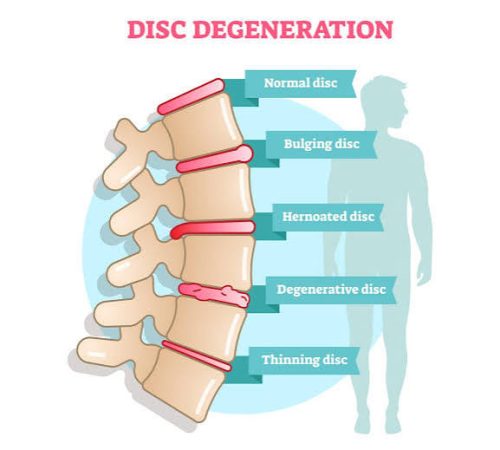
Degenerative spine disease refers to the gradual deterioration of spinal structures over time, including discs, joints, and
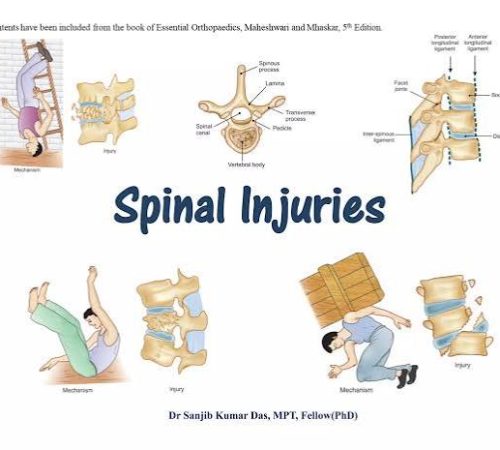
Spinal Trauma
Spinal trauma includes fractures, dislocations, and injuries to the spinal cord caused by accidents, falls, or other traumatic events. Prompt assessment and treatment are critical.
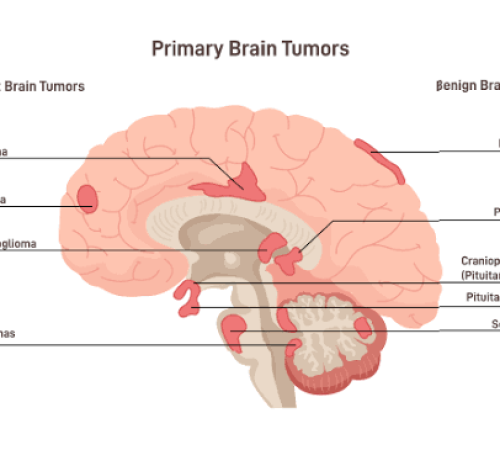
Brain Tumours
Brain tumours are abnormal growths of cells within the brain. They can be benign (non-cancerous) or malignant (cancerous) and require specialist assessment and management.
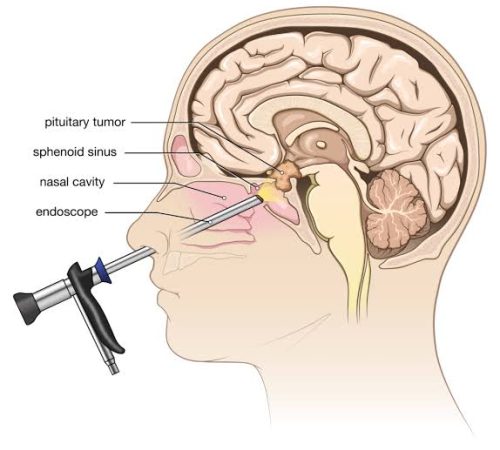
Pituitary Tumours
Pituitary tumours are growths on the pituitary gland at the base of the brain. Most are benign and can cause hormonal
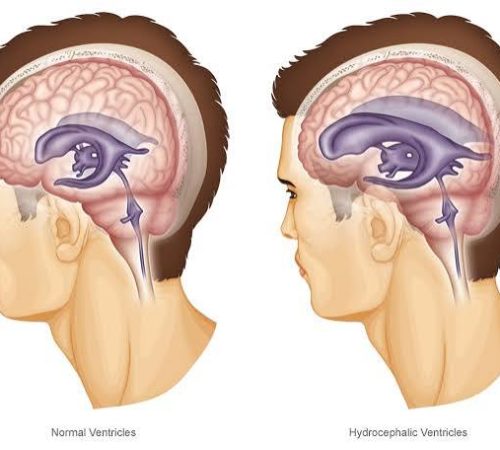
Hydrocephalus
Hydrocephalus is a build-up of cerebrospinal fluid (CSF) within the brain’s ventricles, causing increased pressure.
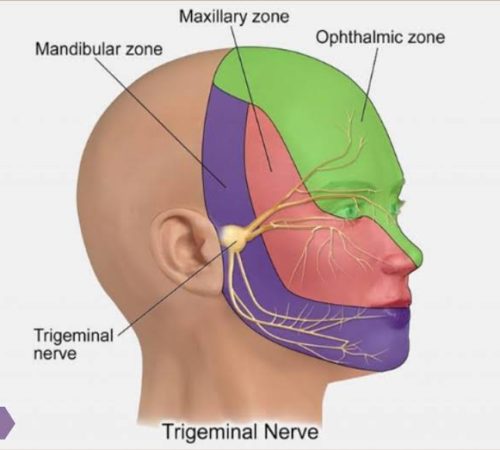
Trigeminal Neuralgia
Trigeminal neuralgia is a condition causing sudden, severe, electric shock-like facial pain. It affects the trigeminal nerve
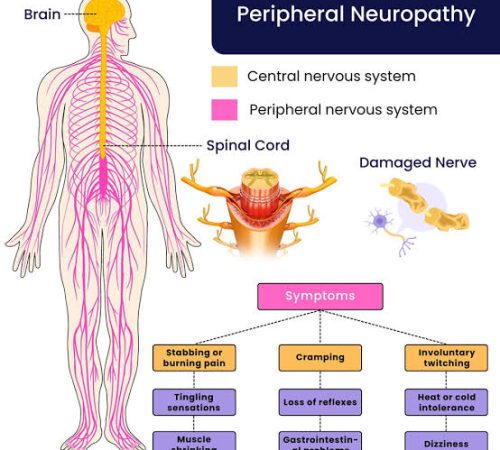
Peripheral Nerve Disorders
Peripheral nerve disorders include conditions affecting the nerves outside the brain and spinal cord, such as carpal tunnel
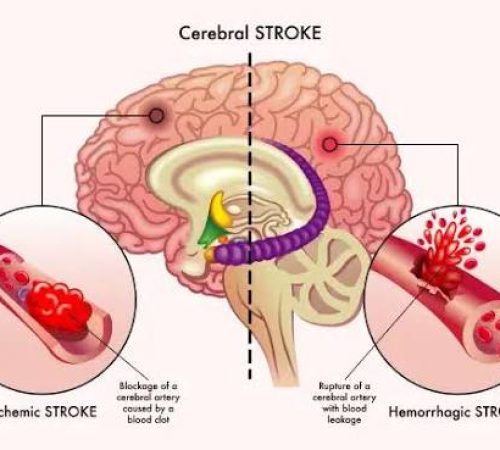
Cerebrovascular Disorders
Cerebrovascular disorders affect the brain’s blood vessels, disrupting blood flow and increasing the risk of stroke or bleeding.
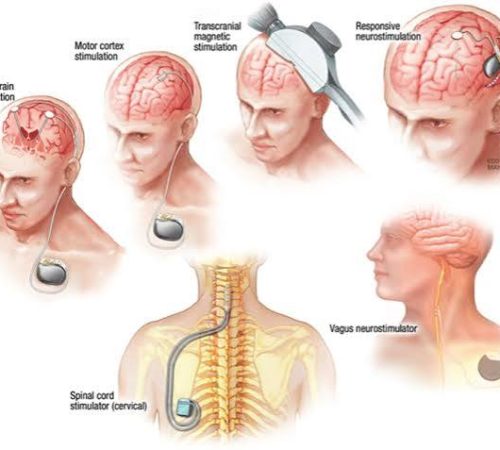
Functional Neurosurgery.
Functional neurosurgery uses advanced surgical techniques to treat movement disorders, chronic pain, and neurological conditions.